


When it comes to the bench press, the technique of arching your back has become a somewhat controversial topic depending on who you talk to. Some people will say that it’s cheating, and others will tell you that you need to have a bigger arch to bench heavier weight. Determining the best technique for your bench press depends on your goals for the lift and your training.

In Part 2 of our article series on urinary incontinence in Powerlifting, we want to rule out the most easily modifiable factors, including belts, incorrect breathing, technical breakdown, and bloating. These fall under the realm of mechanical stress acting directly on the bladder that can cause leaking.

If you just started training with barbells or an elite-level powerlifter before losing gym access, it doesn't matter. Having not trained with a barbell for 3-4 months means you're a novice again. Don't stress! This is actually a good thing, so hear us out!
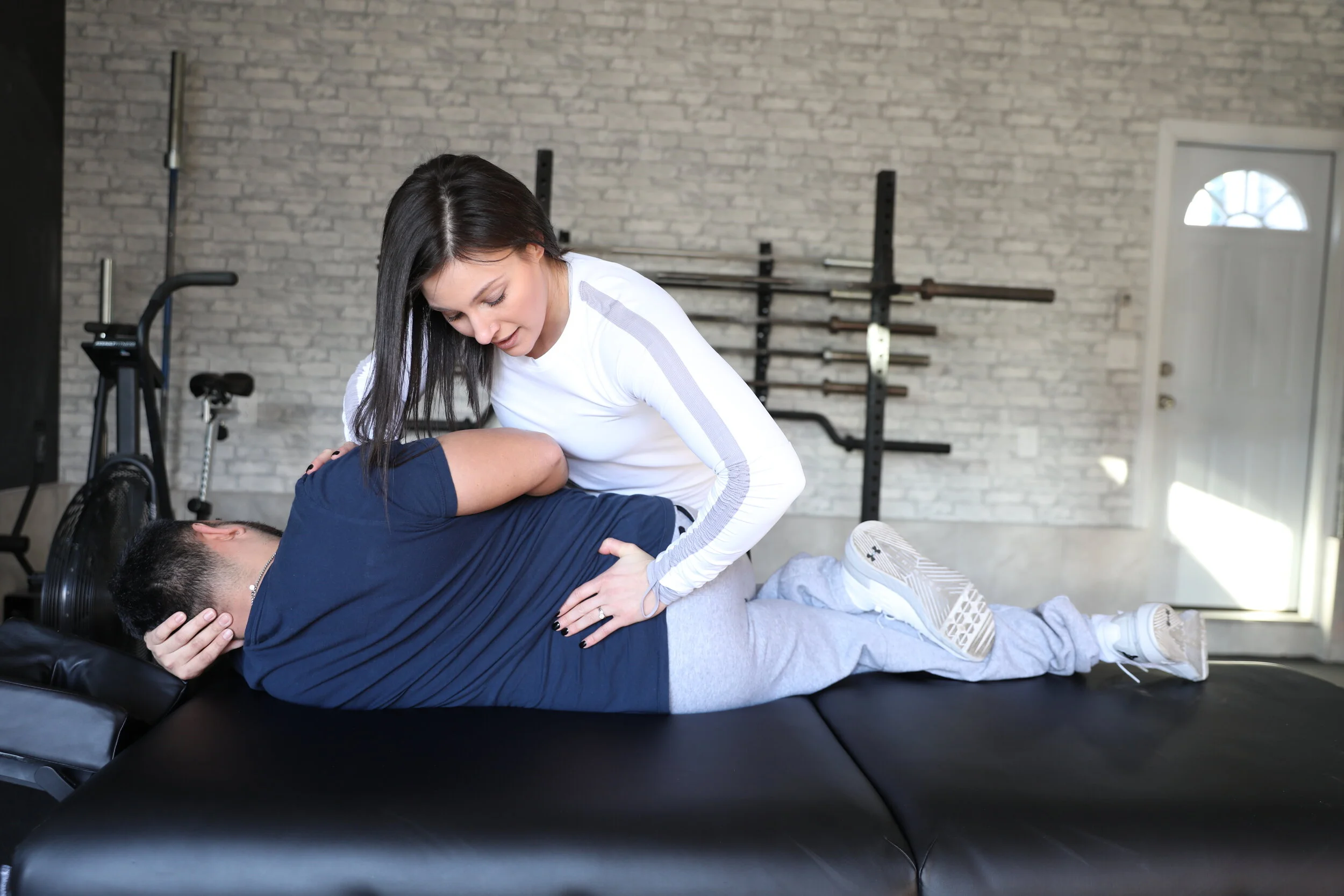
Barbell resistance training is the most effective type of exercise training to accomplish nearly all goals. From achieving a muscular and lean physique to maintaining health and function as you age, and rehabilitating from surgery and returning to your sport of choice. But often, doctors, physical therapists, and chiropractors shy away from “lifting weights” because they lack an understanding of safe and effective programming and technique implementation across the life and healthspan.
Where peeing in your pants was once thought to only affect women who’ve had babies or entered the years of menopause, peeing in your pants has become as common as a barbell athlete losing a deadlift due to grip failure. Over the last 8 years, the growth of powerlifting has been tremendous and participation at USA Powerlifting (USAPL) Raw Nationals has increased 6.8x from 183 in 2012 to 1,260 lifters in 2019.
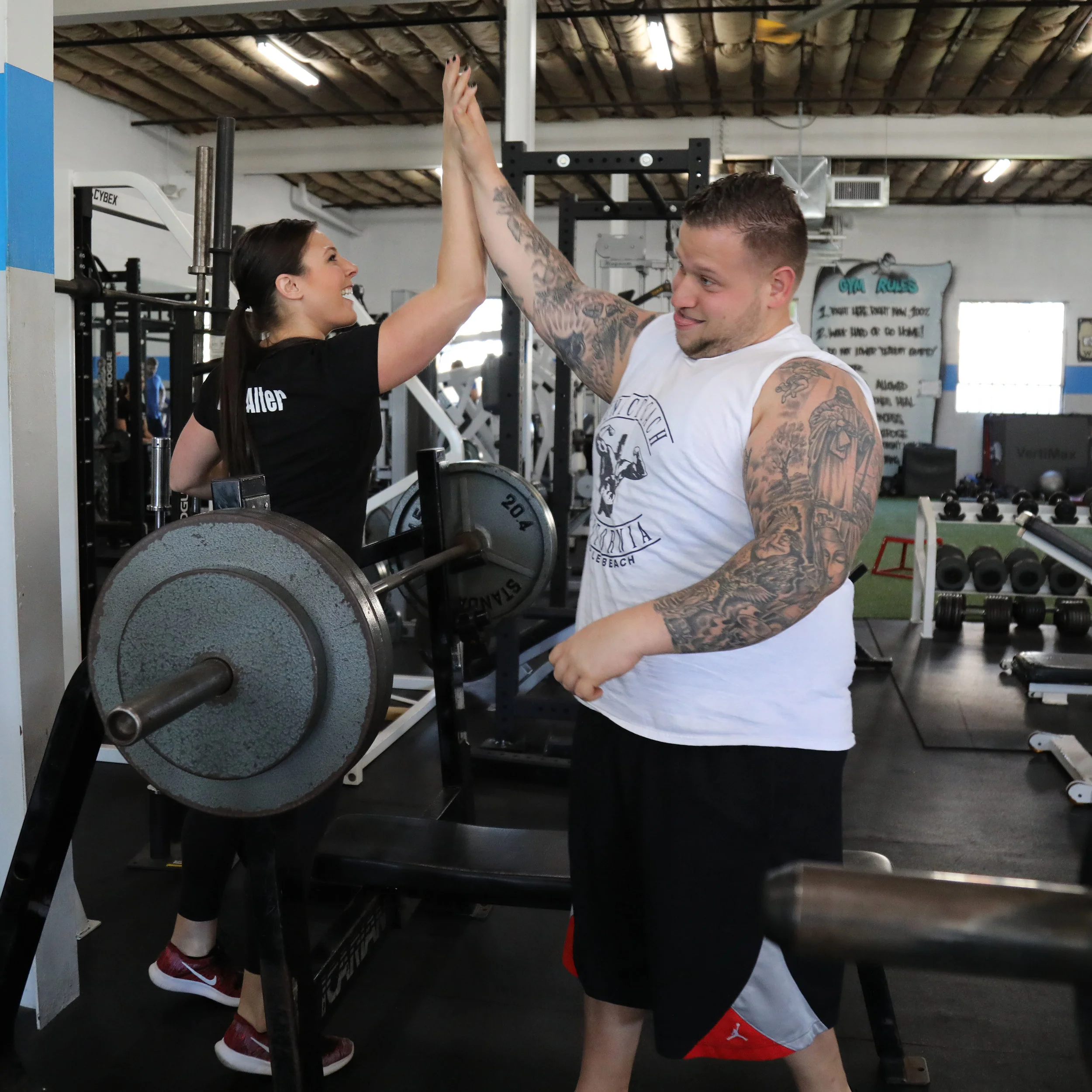
In this article, we're going to help you learn how to optimize your unique technique for fewer aches, pains, and injuries, so training goes uninterrupted. This will help you have less fear and more motivation to stay in the game and always get stronger.

Having mobility or pain limitations shouldn’t stop you from resistance training with barbells. Here are 56 alternatives to the squat, bench, deadlift, and overhead press so you can workout almost any injury or limitation.
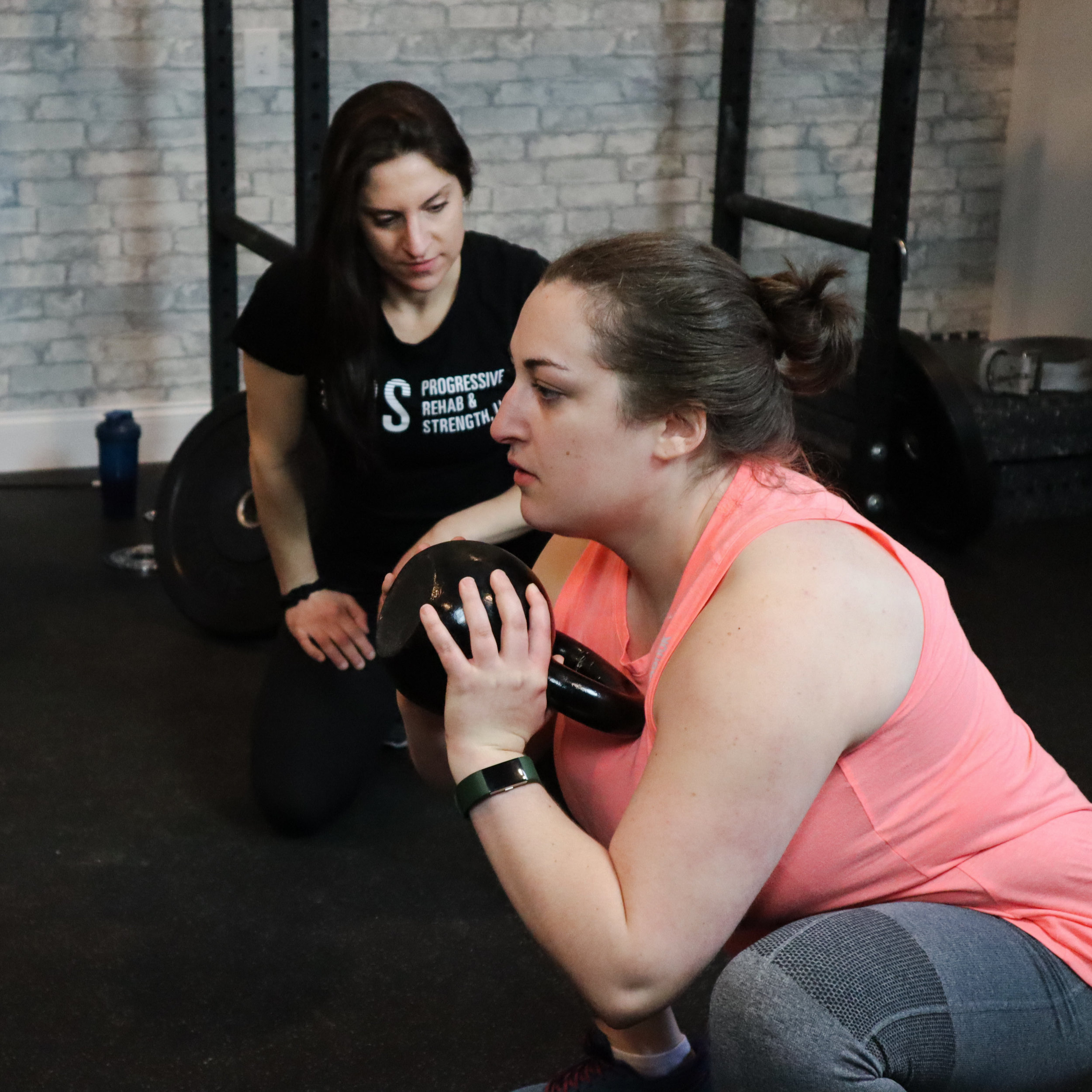
Don’t let not knowing where and how to start resistance training with barbells stop you. Here we discuss how to adapt the Starting Strength Novice Linear Progression to your life and give you all the tools you need to start resistance training with barbells today.

Barbell resistance training is the BEST way to get stronger and will improve all aspects of your life. f you’re afraid of resistance training and afraid of picking up a barbell, stop! Being physically strong has more benefits than I can count on both hands and feet. Strength is the foundation of everything related to health, fitness, sports performance, and human survival.

Learn why rate of perceived exertion (RPE) & estimated 1 rep max (E1RM) are the most important things to track in your barbell training log and how to use them to reduce injury & hit PRs.

Learn how to use RPE in powerlifting and barbell training to optimize strength development and injury prevention.


This Exercise Prescription Guide provides the best exercise, volume, & intensity for your barbell training program to reach your goals without injury!

Uncover the 4 most important questions to answer before beginning a barbell strength training program yourself or with a barbell coach.

Understand why post-operative protocols are lackluster and provide 3 ways to incorporate barbell strength training into early physical therapy.
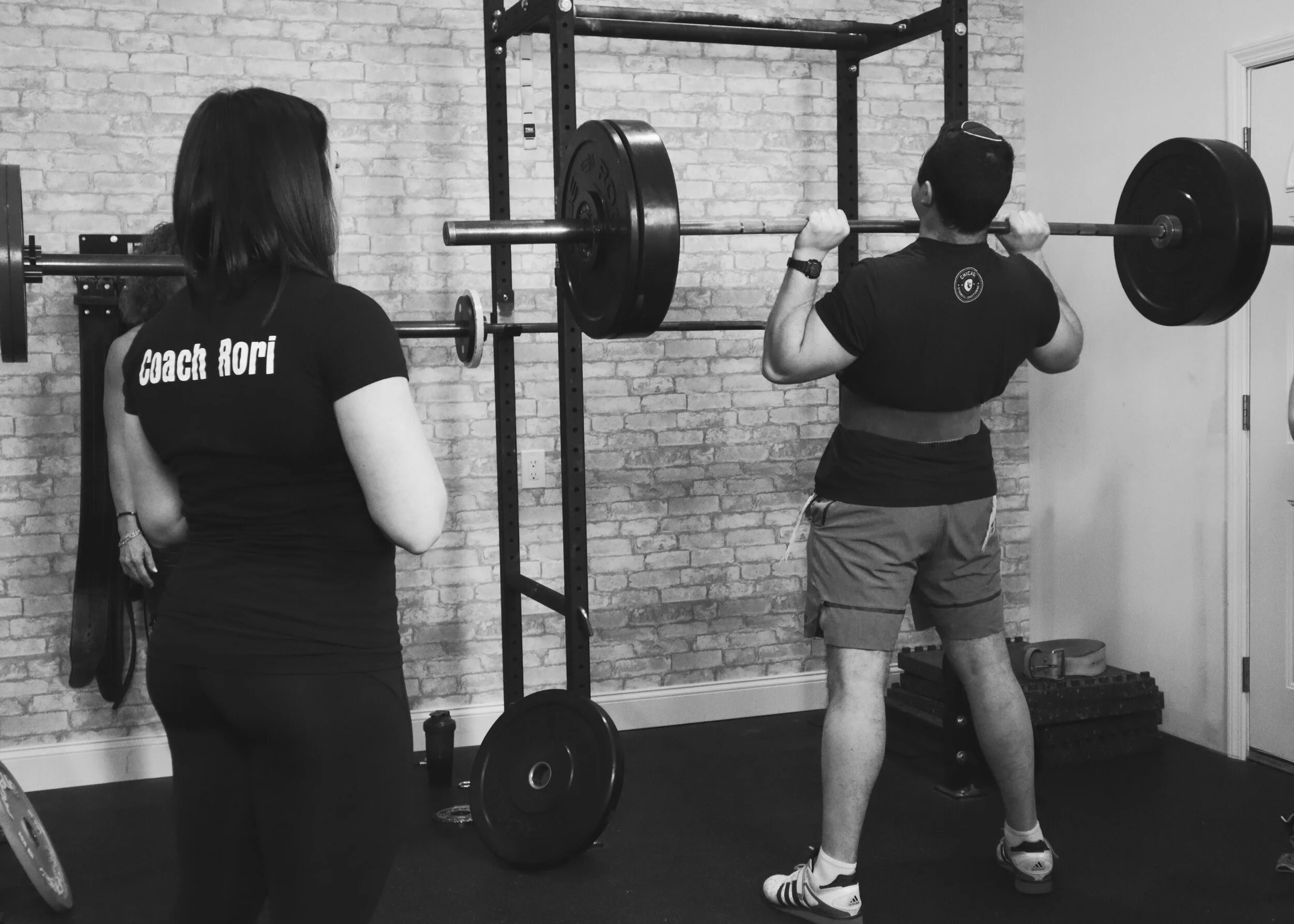
PRSC Chris Haggit details about his journey to follow his dream of becoming a barbell coach and how Progressive Rehab & Strength gave him the tools to successfully accomplish his dream!

To become the best outpatient sports physical therapist, you need to help people restore what was lost and improve their lives through movement, education, strength, and autonomy in injury management and risk reduction in as little time as possible
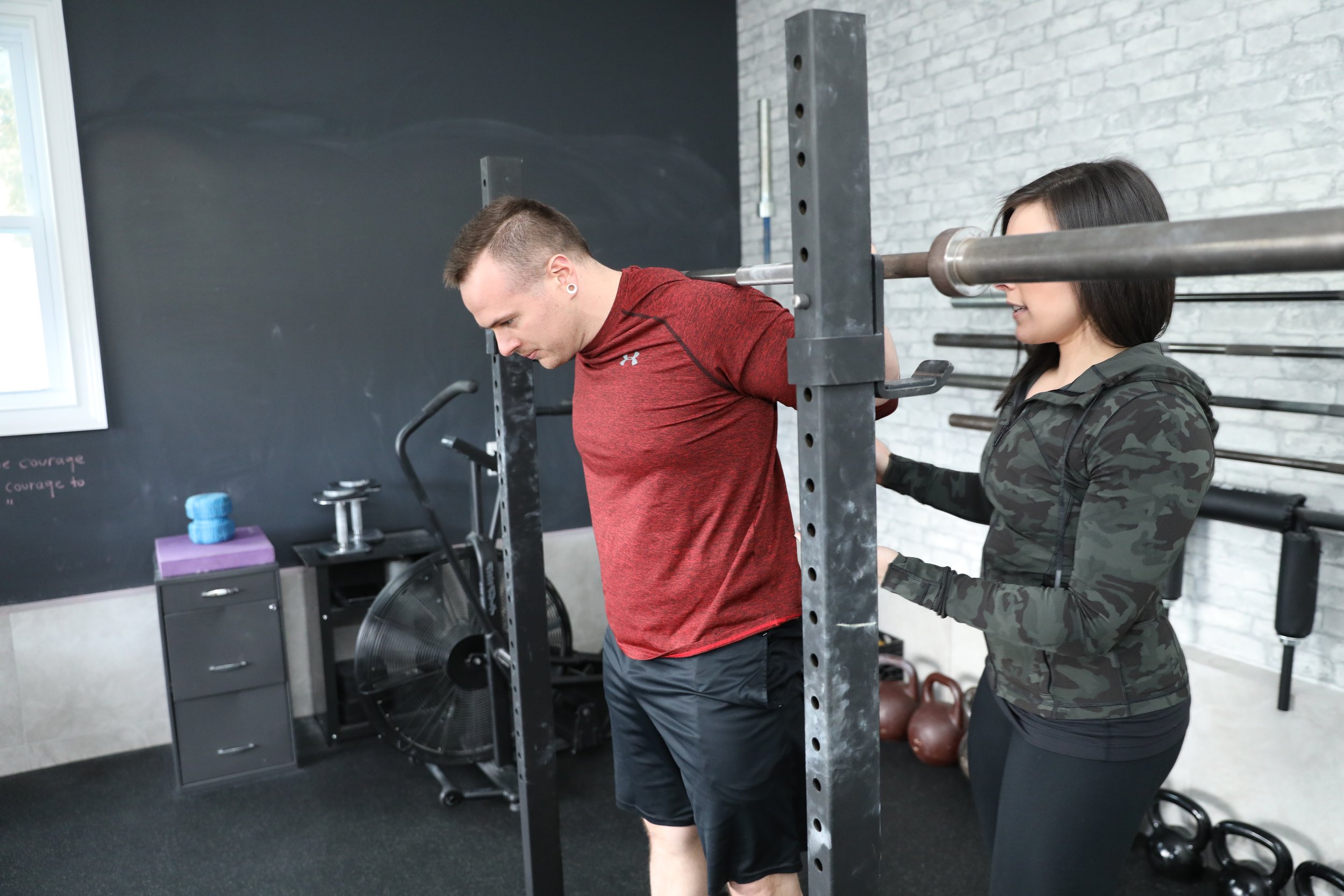
If you’re training and have to take time off, miss reps during a session, get injured during a session or out of the gym, and your progress stalls while you’re in a progression, this article is here to help you!
If you just started training with barbells or an elite-level powerlifter before losing gym access, it doesn't matter. Having not trained with a barbell for 3-4 months means you're a novice again. Don't stress! This is actually a good thing, so hear us out!

Learn how to find the most optimal barbell technique for your body, optimal performance, injury risk reduction, and athlete recovery in powerlifting.

When a powerlifter becomes injured in any respect, they rarely need to stop training or exclusively use non-barbell exercises during rehab. In fact, they must incorporate barbell training as rehab to optimize the athlete recovery process.
Understand why post-operative protocols are lackluster and provide 3 ways to incorporate barbell strength training into early physical therapy.

Wondering why you should become a physical therapist or stay in the physical therapy profession? In this article there are 3 motivations to help you pursue a career in physical therapy with the desire to integrate barbell training into the rehabilitation setting!
To become the best outpatient sports physical therapist, you need to help people restore what was lost and improve their lives through movement, education, strength, and autonomy in injury management and risk reduction in as little time as possible
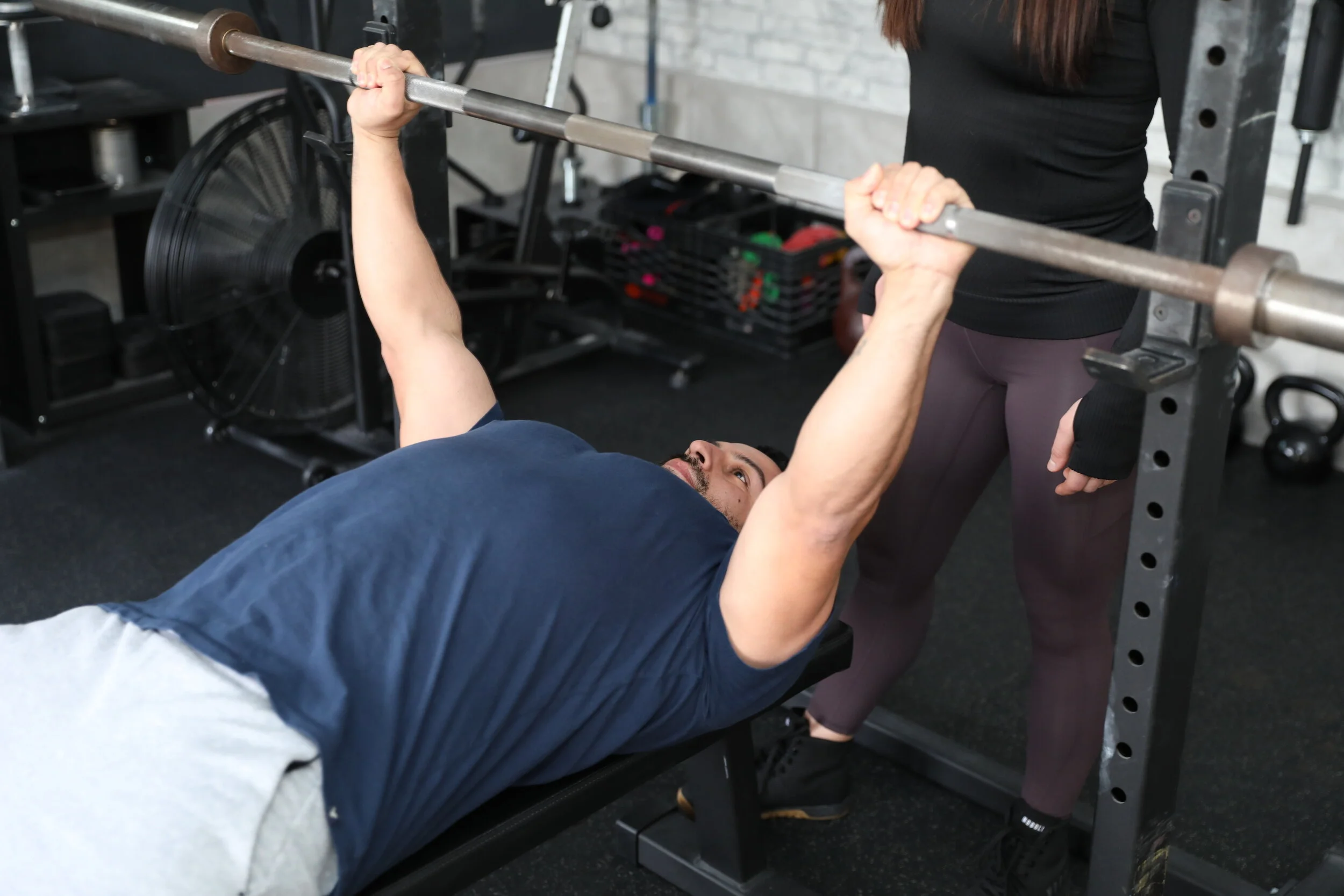
If you’ve ever felt a sharp pain at the tip of your shoulder when lifting overhead or during a specific portion of the bench press and it’s held you back from expressing your strength, you've probably been diagnosed with shoulder impingement: a vague diagnosis that leaves you with the general advice of "Does that hurt? Don't do that". In the world of lifting, let me tell you: THERE IS A BETTER WAY.

You’re training hard, chasing PRs, and working your butt off to make a difference for yourself in and out of the gym. However, when things don’t go your way, you may end up in pain. Whether it’s a pain you’ve been dealing with forever or simply a new pain to add to the list, it sucks. Rest assured, it happens to the best of us.
In Part 2 of our article series on urinary incontinence in Powerlifting, we want to rule out the most easily modifiable factors, including belts, incorrect breathing, technical breakdown, and bloating. These fall under the realm of mechanical stress acting directly on the bladder that can cause leaking.
Barbell resistance training is the most effective type of exercise training to accomplish nearly all goals. From achieving a muscular and lean physique to maintaining health and function as you age, and rehabilitating from surgery and returning to your sport of choice. But often, doctors, physical therapists, and chiropractors shy away from “lifting weights” because they lack an understanding of safe and effective programming and technique implementation across the life and healthspan.
Where peeing in your pants was once thought to only affect women who’ve had babies or entered the years of menopause, peeing in your pants has become as common as a barbell athlete losing a deadlift due to grip failure. Over the last 8 years, the growth of powerlifting has been tremendous and participation at USA Powerlifting (USAPL) Raw Nationals has increased 6.8x from 183 in 2012 to 1,260 lifters in 2019.

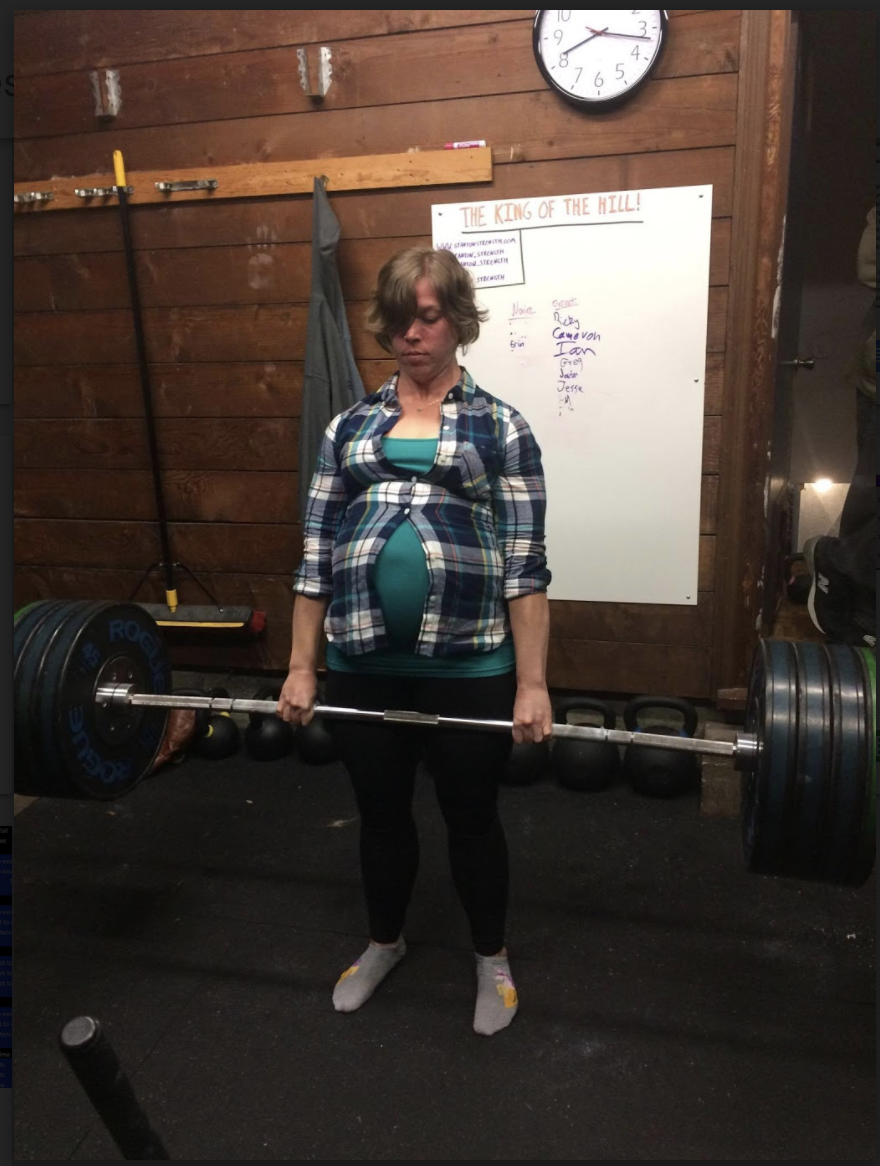
In this article we're going to discuss what steps you can take before and during pregnancy to modify your training to serve your body and baby while baking the bun in the oven.
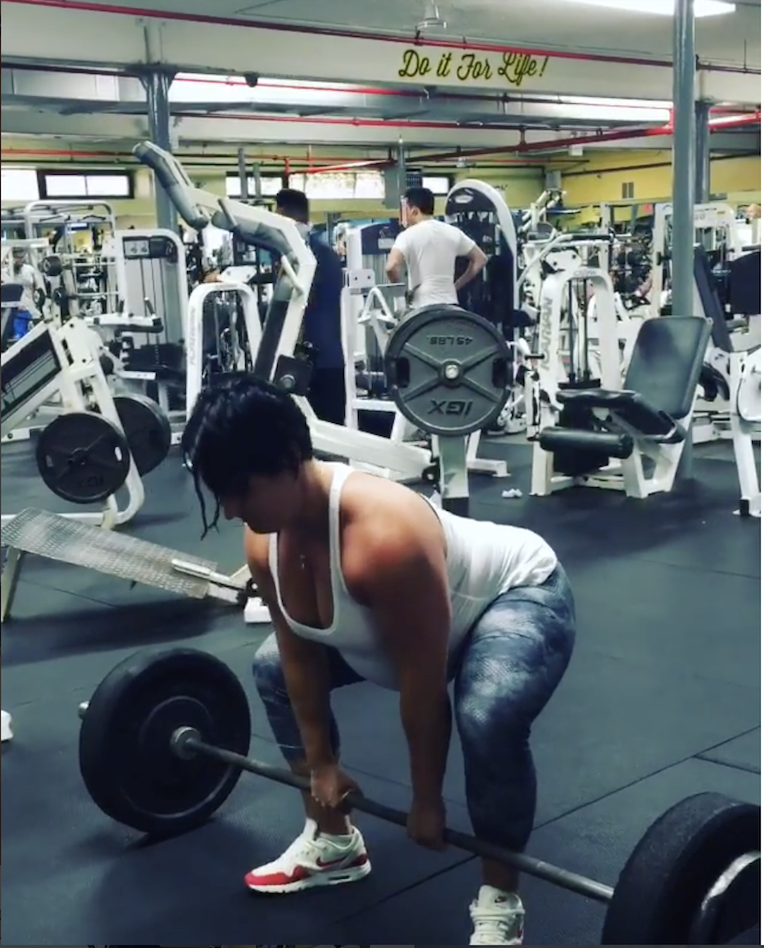
In this article we are going to discuss the squat, bench press, overhead press, deadlift, and power clean, barriers you might encounter with them during pregnancy, and alternatives to continue training around them.

In Part 2 of 5 we explore the common myths associated with barbell training and pregnancy.
This is Part 1 of 5 of the PRS Pregnancy Series. In Part 1 we discuss what are the the current recommendations for exercise and strength training during pregnancy.
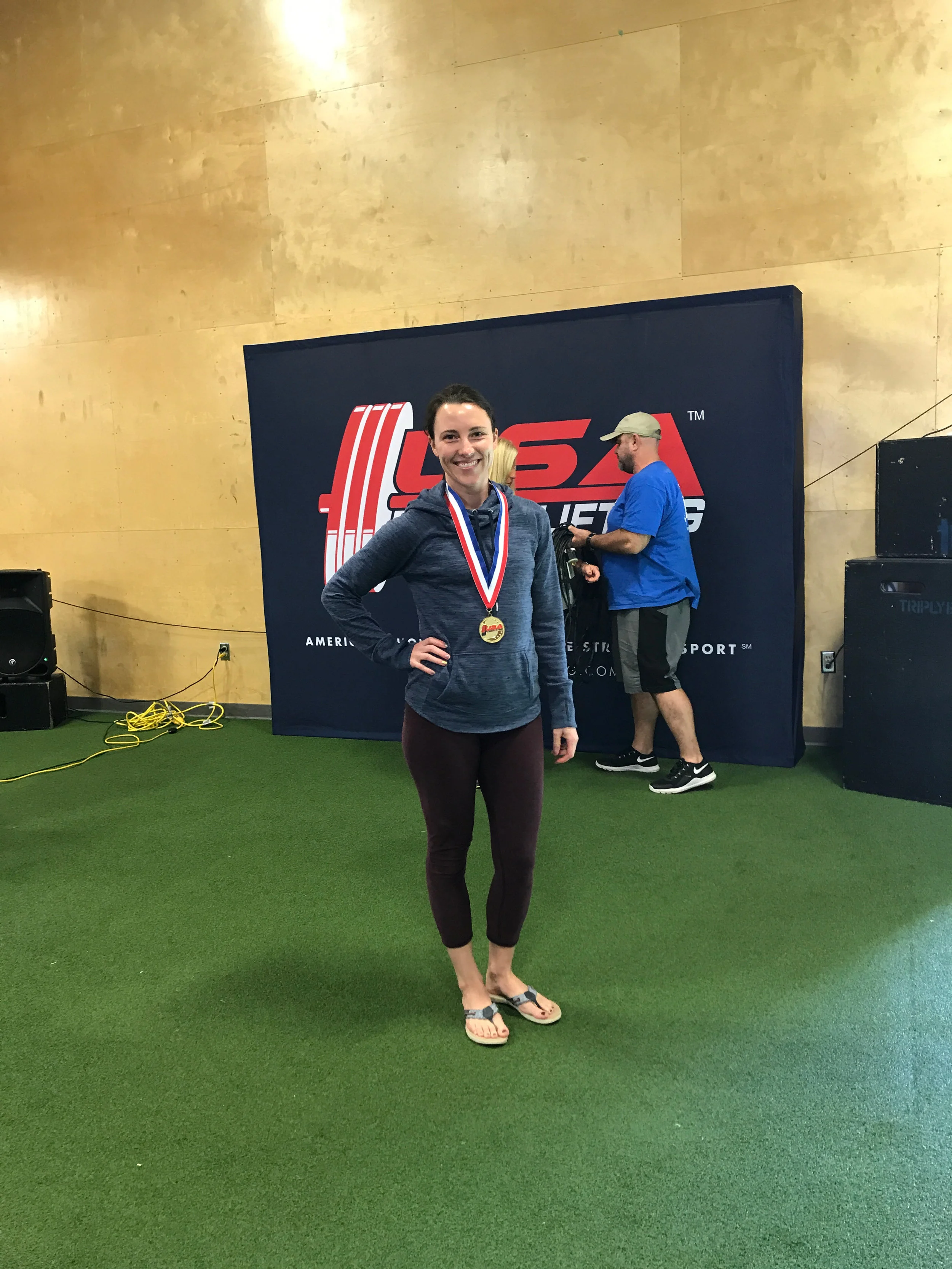
Earlier this year I decided to sign up for a meet and make it a goal to one day qualify for Raw Nationals, which is a pretty lofty goal for a new mom, but who am I to set limits on myself? This past year I trained my ass off and on December 2nd, 2017 I competed in the Brother Bennett Memorial in Mississippi, which was my first ever USAPL meet.
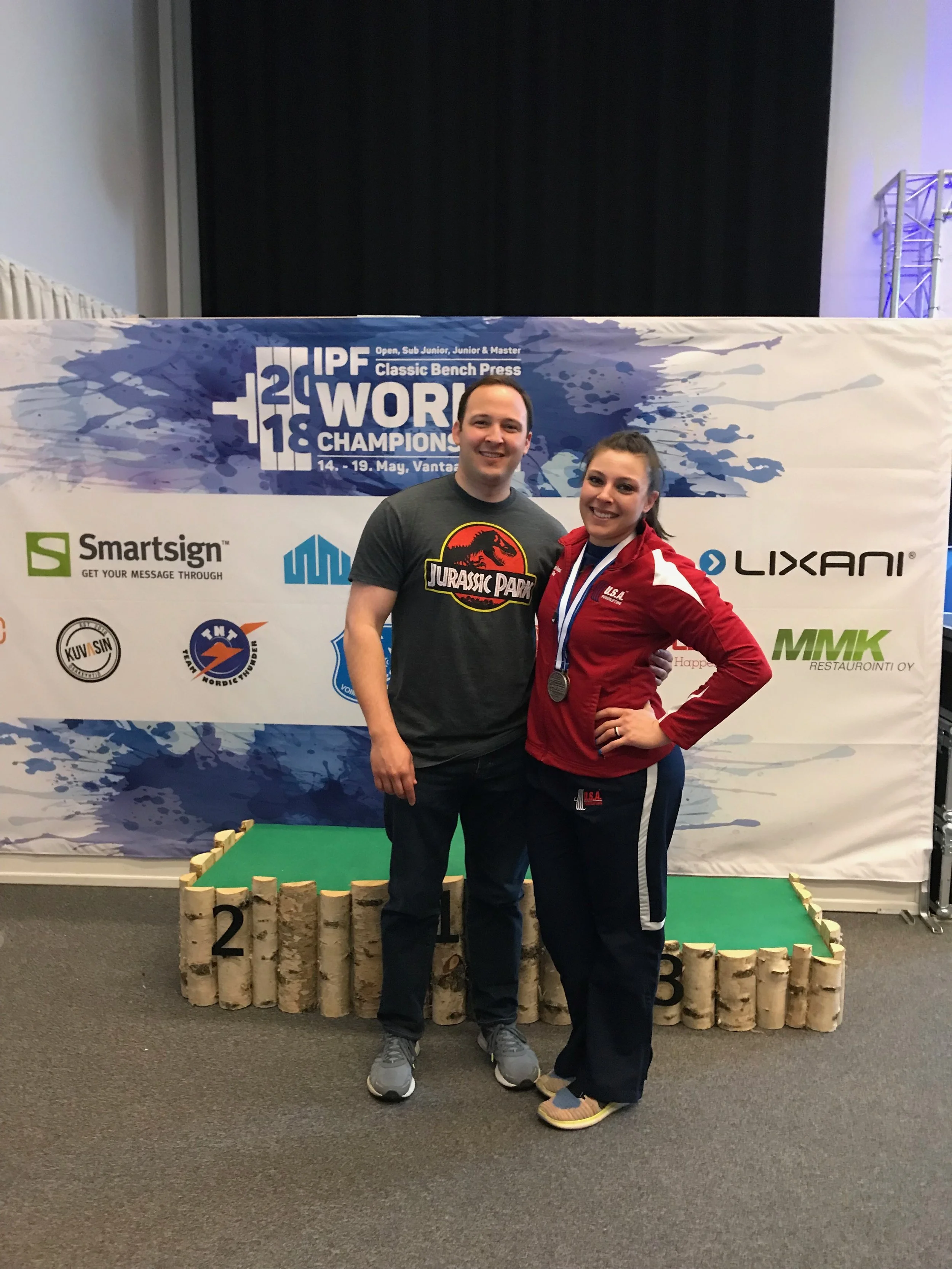
Earlier this year I decided to sign up for a meet and make it a goal to one day qualify for Raw Nationals, which is a pretty lofty goal for a new mom, but who am I to set limits on myself? This past year I trained my ass off and on December 2nd, 2017 I competed in the Brother Bennett Memorial in Mississippi, which was my first ever USAPL meet.

In this article, Coach Will discusses the importance of carbohydrates for all Strength Trainees around workouts. This article goes into understanding when or how much to eat before, during, and after stepping into the gym and helps you understand how to time your carbs properly to improve performance and recovery allowing you to eek out the absolute most from training.

In this article we discuss the various reasons your body weight increased overnight, and what to do about it.

Carbohydrate intake has long been scrutinized by doctors, personal trainers, mainstream magazines, and dietitians particularly for their effect on performance and overall health.

We’ve all seen and heard it before - the advice on how to “tone up”, “bulk up” (or NOT bulk up), “get shredded”, “lean out”, etc... If you’re like me you’ve probably tried light weights, heavy weights, sets of 8, sets of 20, supersets, cardio, yoga, circuit training… the list goes on. So why did it all stop working eventually? Why do your pants not fit better? Why don’t you have 21-inch biceps? Chances are, at one point or another, you’ve succumbed to at least 1 of 5 common myths about strength training in your pursuit of a leaner, “more toned”, or muscular physique. Well, I’m here to set the record straight!
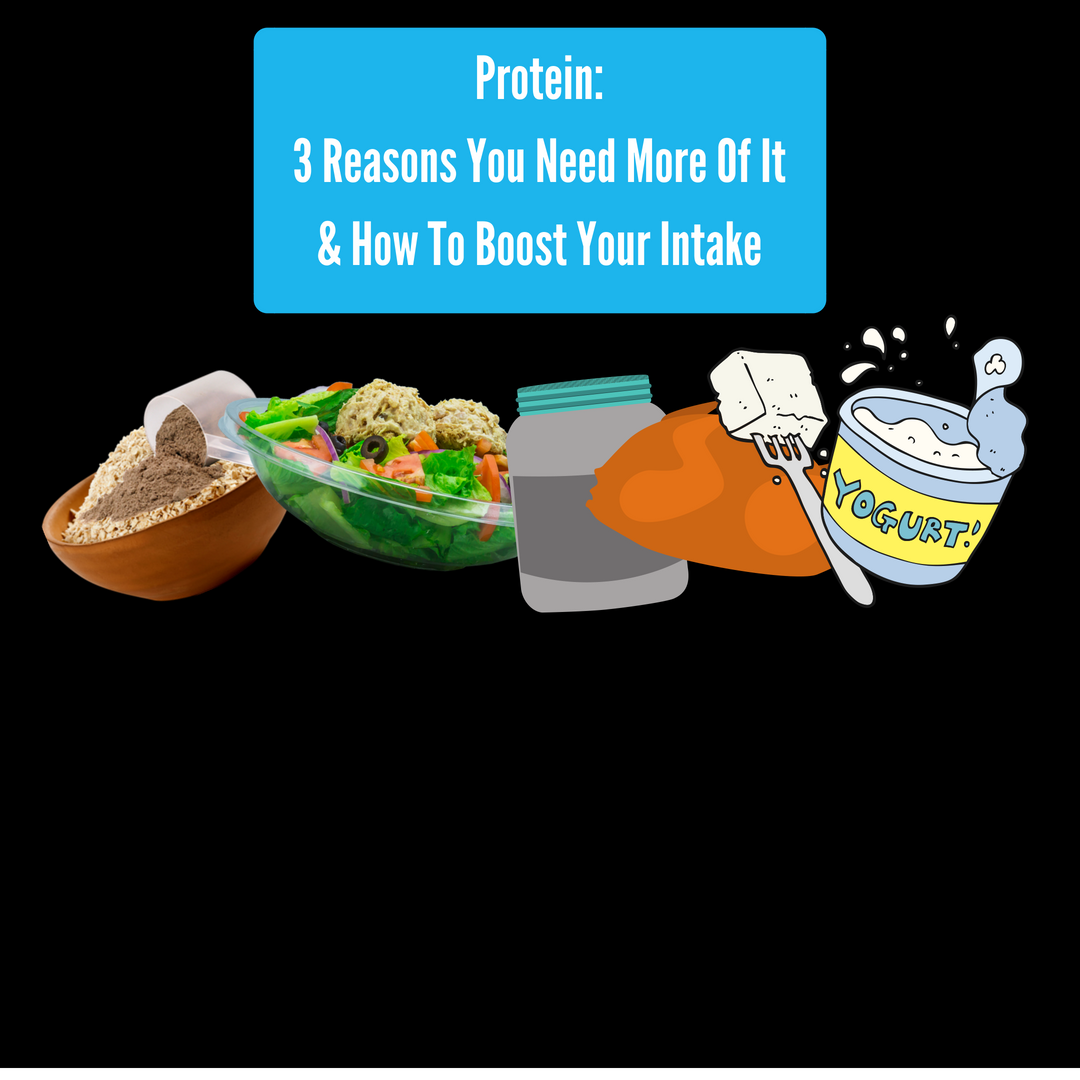
When it comes to nutrition and exercise, there is no single macronutrient (carbohydrates, fat, and protein) talked about more than protein. Everyone has heard of it, we all know we need it, yet most of us still don’t eat nearly enough of it. I’m here to answer those questions for you!
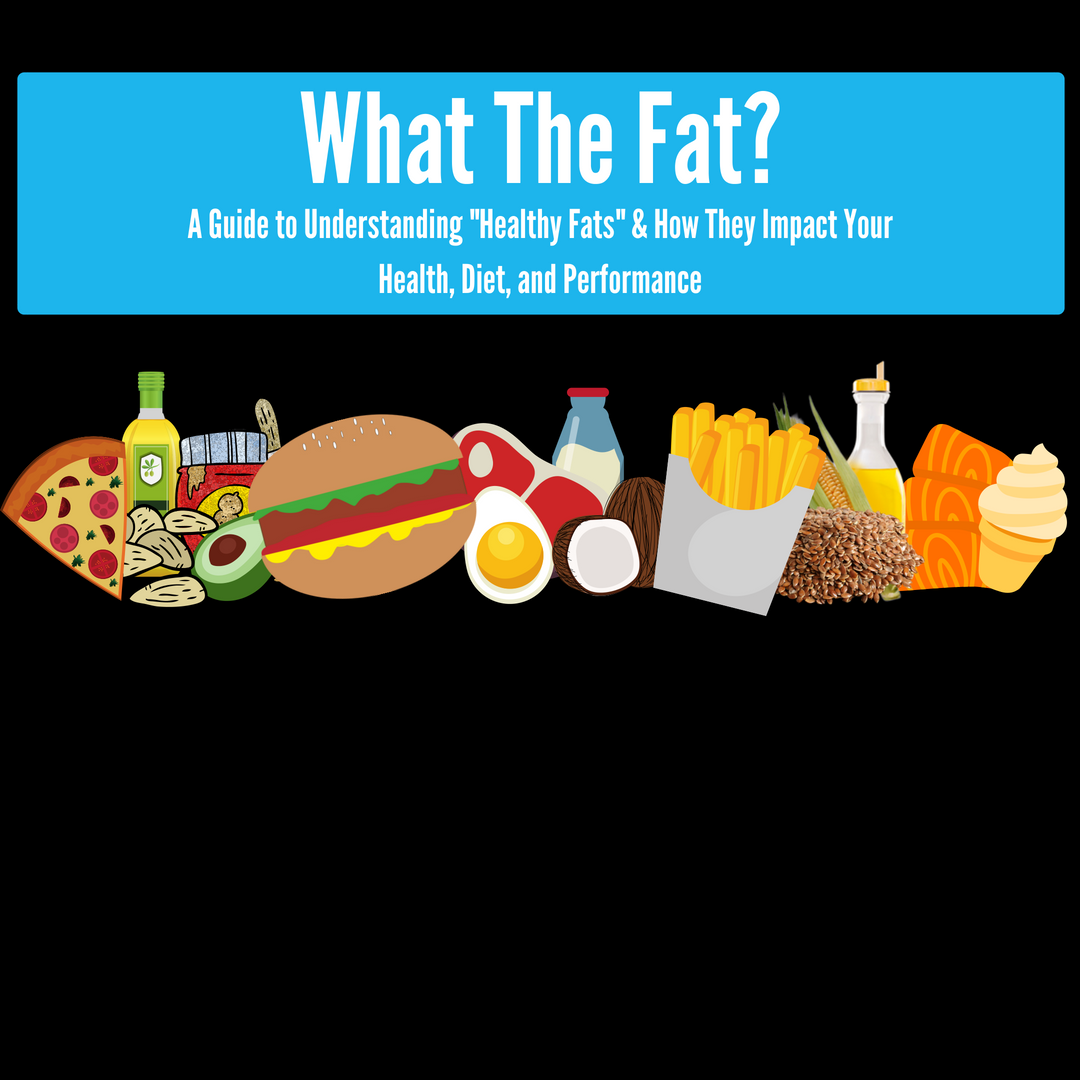
Contrary to popular belief, fats are not evil! They’re actually important to our health. Want to know the real scoop regarding dietary fat and why we shouldn’t swear by the “low fat,” “reduced fat, “no fat,” lifestyle? Keep reading. If not, carry on!
CATEGORIES
+ Technique
- Bench Press: The Arch
- Injuries In Training: 7 Keys To Injury Risk Reduction & Longevity In Powerlifting
- 56 Alternatives To Barbell Train Around Mobility or Injury Limitations
- How to Get The Most Beginner Gains: The Deadlift
- Why Everyone Should Press Overhead
+ Programming
- 5 Reasons To Use a Beginner Powerlifting Program After A Month Off Training
- How To Incorporate Cardio Into Your Strength Program
- 8 Simple Ways to Ditch Excuses & Start Your Barbell Resistance Training Journey Today
- 8 Reasons To Be Strong and Why You Should Resistance Train with Barbells
- Progression Without Regression: How to Adjust Training So Things Don't Go Awry!
+ Injury
- 3 Analogies to Help You Barbell Train When You're Injured
- 3 Reasons You Pee When You Powerlift & How To Fix It (Part 2): Mechanical Contributions
- The Safety of Barbell Resistance Training for Adult Powerlifters with Scoliosis
- 3 Reasons You Pee When You Powerlift & How To Fix It (Part 1)
- Evolution In Physical Therapy: Old Dogs Can Learn New Tricks
- Is Graston, IASTM, Massage, Stim & Dry Needling Going to Help Your Powerlifting Injuries?
+ Pregnancy/Post-Partum
- Part 5 of 5: Getting Back Under the Bar Postpartum
- Part 4 of 5: How To Barbell Train During Pregnancy
- Part 3 of 5: Training During Pregnancy - Meet Us At The Bar
- Part 2 of 5: Barbell Training & Pregnancy - The Myth Buster
- Part 1 of 5: Pregnancy and the current recommendations for exercise & strength training
+ Competiton
+ Nutrition
Most Recent

Learn how to reduce technique breakdown and form creep to have the most optimal barbell technique for your body, reduce injury risk and prevent injury in powerlifting.
Learn how to find the most optimal barbell technique for your body, optimal performance, injury risk reduction, and athlete recovery in powerlifting.
When a powerlifter becomes injured in any respect, they rarely need to stop training or exclusively use non-barbell exercises during rehab. In fact, they must incorporate barbell training as rehab to optimize the athlete recovery process.
Learn how to reduce technique breakdown and form creep to have the most optimal barbell technique for your body, reduce injury risk and prevent injury in powerlifting.